
You can sell vapes online in the UK, but only certain types and only if you follow strict rules on age, product safety, and notification. Reusable and refillable vapes are fine to sell. Disposable vapes are not, and haven’t been since June 2025.
This guide breaks down exactly what’s legal to sell online, what age checks you need, and which UK laws apply if you’re running or planning to run a vape business.
Is It Legal to Sell Vapes Online in the UK?
Online vape selling is legal in the UK, as long as your products comply with the law and you adhere to age limitations. There is no outright ban on online vape sales. What really matters here is the type of product and compliance with all relevant regulations in your company’s operations.
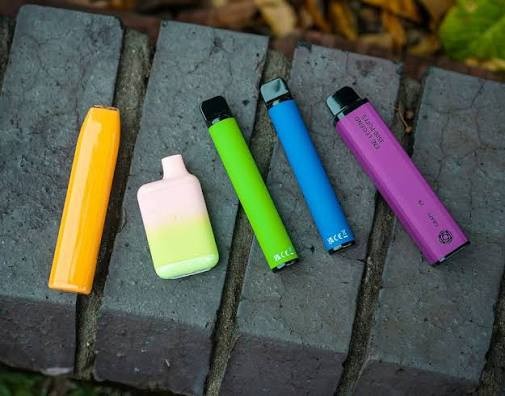
Online vendors are supposed to adhere to the same laws as vape stores on the high streets. This means that the products must be notified to the Medicines and Healthcare products Regulatory Agency (MHRA), observe nicotine strength regulations, and confirm that the buyer is above 18 years old.
Being an online retailer does not mean that one escapes such obligations. On the contrary, age verification becomes more difficult online.
The primary legislation that deals with the regulation of vaping devices is the Tobacco and Related Products Regulations 2016 (TRPR). This establishes the technical standards of nicotine-containing e-cigarettes and e-liquid sold anywhere in the United Kingdom. If you’re buying vaping products online, choosing an Online vape store, like PirateVapes.co.uk, that follows these requirements is important. Reputable retailers should have appropriate age-verification measures in place and sell products that meet the relevant UK safety and notification requirements.
Source: Legislation.gov.uk
What Types of Vapes Can You Legally Sell Online?
The sale of reusable vapes, refillable vaping products, pods, refills, and nicotine-containing liquids is completely legal, provided they are notified to the MHRA and comply with TRPR regulations. There is only one type of vape that cannot be legally sold online – disposable vapes were prohibited in June 2025.
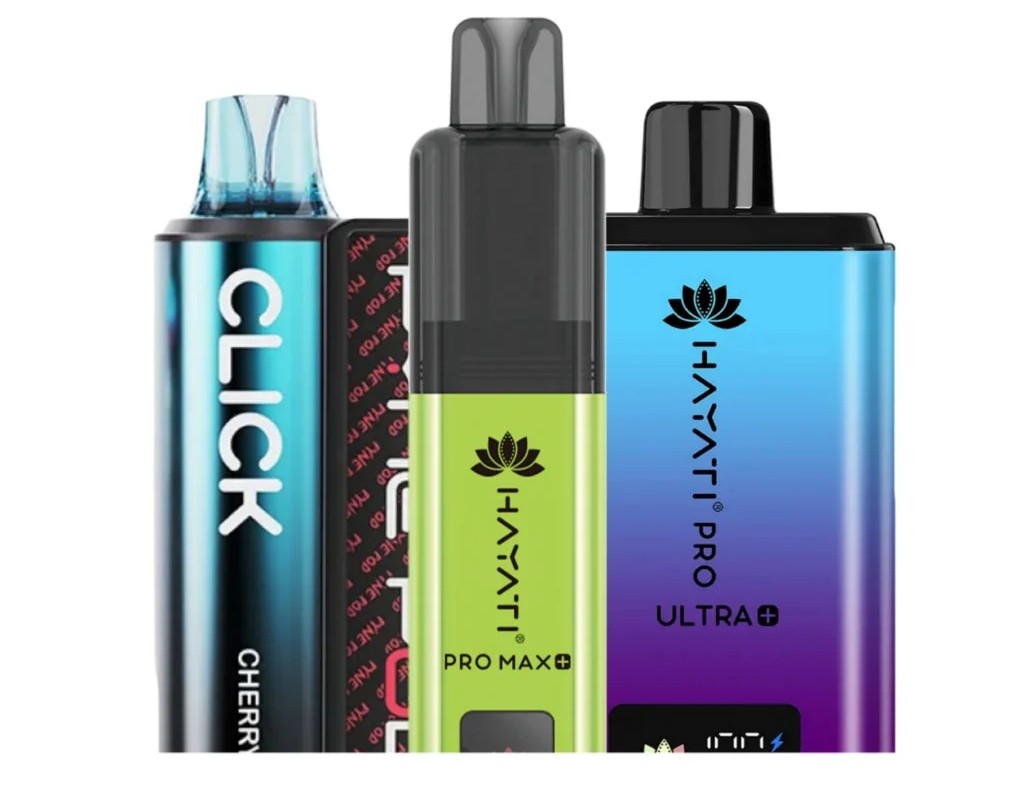
Here’s a quick breakdown of where each product type stands.
| Product Type | Legal to Sell Online? | Notes |
|---|---|---|
| Reusable vapes | Yes | Must be rechargeable and designed for repeat use |
| Refillable devices | Yes | Tank or pod must be refillable, not sealed |
| Vape pods and refills | Yes | Subject to the same nicotine and volume limits as e-liquids |
| E-liquids with nicotine | Yes | Capped at 20 mg/ml, sold in bottles up to 10 ml |
| Disposable vapes | No | Banned from sale and supply since 1 June 2025 |
Source: GOV.UK
Reusable Vapes
Reusable vapes are fully legal to sell online, and they’re now the main product category in the UK market. A reusable vape has a rechargeable battery and is built to be used again rather than thrown away after the liquid runs out.
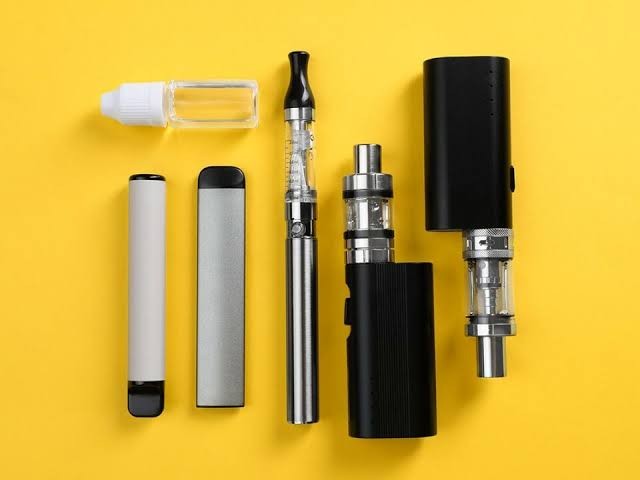
Since disposables left the market, reusable kits have picked up most of that demand. Devices like pod systems with replaceable coils fall into this group, provided they meet TRPR notification and safety requirements.
Refillable Vape Devices
Refillable vape devices are legal to sell online as long as the tank or pod can be topped up rather than replaced as a sealed unit. This is one of the clearest tests regulators use to separate legal products from banned disposables.
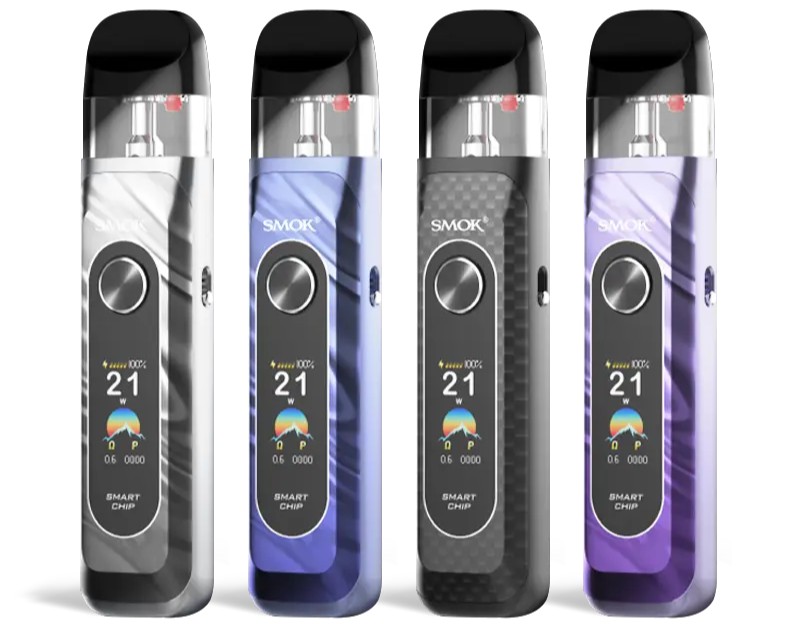
If a device lets the user pour in fresh e-liquid, it counts as refillable. Tank capacity for nicotine-containing devices is capped at 2ml under TRPR, a rule that predates the disposable ban and still applies to reusable kits.
Vape Pods and Refills
Vape pods and refill cartridges can be sold online without restriction beyond the standard nicotine and volume rules. A pod is treated the same way as any other refill container under TRPR.
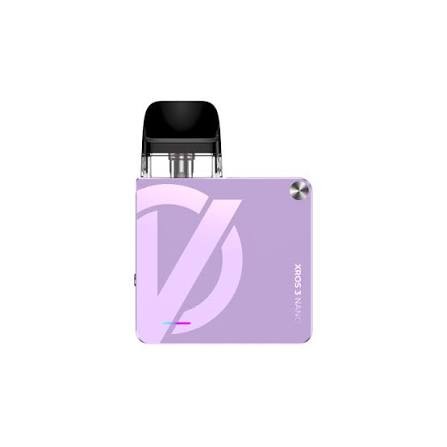
Nicotine strength can’t go above 20mg/ml, and any single refill container is limited to 10ml. Packaging also needs to be child-resistant and carry the required health warnings.
E-Liquids Containing Nicotine
E-liquids containing nicotine are legal to sell online, but they’re one of the most tightly regulated product types. Every nicotine e-liquid has to be notified to the MHRA before it goes on sale, and the notification process typically takes around six months. This includes products such as nicotine salt e-liquids, which are available in different strengths and are designed for use with compatible refillable devices from most sellers, including Pirate Vapes. When buying them, consumers should check the nicotine strength and product information to ensure they are purchasing a compliant product.
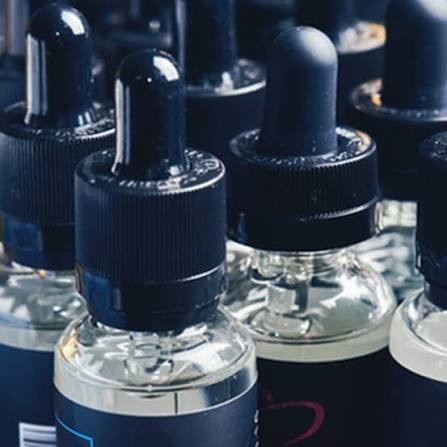
The bottles are capped at 10ml, the nicotine level should not go beyond 20mg/ml, and there must be information on the bottle leaflets about ingredients, warnings, and contact information in the UK. Liquids that have no nicotine content are not required to notify the MHRA due to TRPR.
Single-Use or Disposable Vapes
Single-use or disposable vapes can’t legally be sold online, or anywhere else in the UK, since the ban took effect on 1 June 2025. This applies to nicotine and nicotine-free disposables alike.
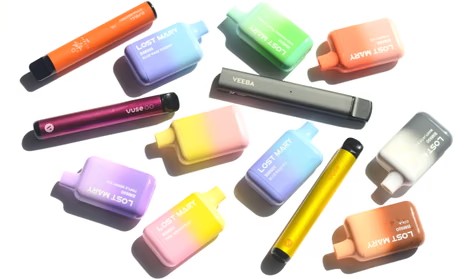
A product counts as disposable if it isn’t designed to be recharged, refilled, or have a coil replaced. Retailers who list these products for UK delivery are breaking the law even if the stock was bought before the ban.
What Are the UK Age Restrictions For Selling Vapes Online?
The legal age to buy vapes in the UK is 18, and this applies online exactly as it does in shops. Selling any nicotine-inhaling product to someone under 18 is a criminal offence under the Nicotine Inhaling Products (Age of Sale and Proxy Purchasing) Regulations 2015.
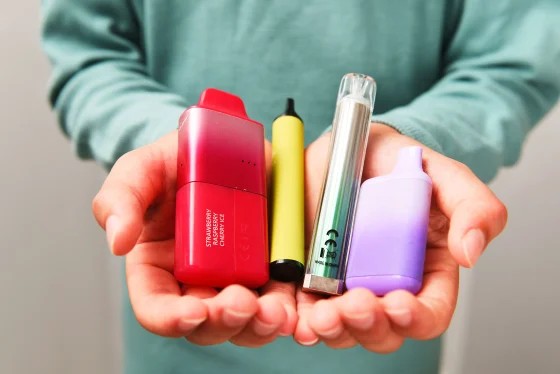
These regulations were made under the Children and Families Act 2014 and cover England and Wales, with equivalent rules in Scotland and Northern Ireland. It’s also an offence for an adult to buy a vape on behalf of someone under 18, known as proxy purchasing.
Retailers who sell to under-18s can face a fine of up to £2,500. Failing to have any age verification policy in place at all can bring a separate fine of up to £500.
How Does Age Verification Work for Online Vape Sales?
Age verification when buying vapes online is normally done in two instances: when placing the order and also at the point of delivery. The guidelines of the Trading Standards advise that verification of age should be conducted before leaving the warehouse and upon delivery to the door.
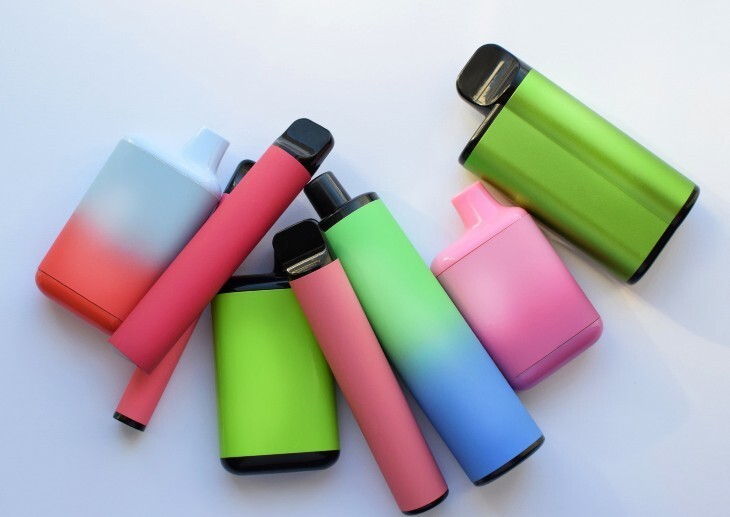
Most online businesses apply the Challenge 25 rule, which means that they require age verification of any customer who appears to be below 25 years old, instead of the current age limit, which is 18 years old. The acceptable forms of identification include a passport, photocard licence, andPASS-accredited proof of age card.
Some retailers also use digital age verification tools at checkout, cross-checking details against official records before an order is even processed. This isn’t a legal requirement in itself, but it reduces the risk of an underage sale slipping through, which is where the legal liability sits.
To ensure maximum safety, a lot of vape stores have built age verification directly into checkout and note that ID may be requested again on delivery, which reflects the two-stage approach Trading Standards recommends.
What Rules Apply to Vape Products Sold Online?
Vape products sold online have to meet the same technical and labelling standards as those sold in physical shops, under TRPR. This covers tank size, nicotine strength, ingredients, packaging, and health warnings.
The core requirements are:
- Nicotine strength capped at 20mg/ml
- E-liquid refill containers limited to 10ml
- Tank capacity for nicotine devices limited to 2ml
- Child-resistant and tamper-evident packaging
- A leaflet with safety information and UK contact details
- No banned ingredients, including certain colourings, caffeine and taurine
Online sellers also fall under general consumer protection law, including the Consumer Protection from Unfair Trading Regulations 2008, which covers misleading claims about a vape’s safety or contents.
Can You Sell Imported Vapes Online in the UK?
You can sell imported vapes online in the UK, but only if they’ve been through the same MHRA notification process as domestically made products. Importing a vape doesn’t exempt it from TRPR.
This catches out a lot of smaller sellers who bring in stock from overseas marketplaces expecting to resell it here. If the product, and its exact nicotine strength and formulation, isn’t listed on the MHRA’s notified products register, it’s illegal to sell in the UK regardless of where it was made.
Buying from a supplier who claims a product is “TPD compliant” isn’t enough on its own. The specific listing needs to be checked.
Can You Sell Disposable Vapes Online in the UK?
No, you can’t sell disposable vapes online in the UK. The ban has been in force since 1 June 2025 and covers every UK nation, implemented in England through the Environmental Protection (Single-use Vapes) (England) Regulations 2024, with matching regulations in Scotland, Wales and Northern Ireland.
The ban covers sale, supply and offering for sale, which means online listings are just as illegal as shelf stock. It doesn’t matter whether the device contains nicotine or not.
Retailers who still have old disposable stock can’t clear it through an online store either, since the rules cover existing inventory as well as new orders.
Do Vapes Need to Be Notified to the MHRA?
Yes, all nicotine-containing vapes and refill containers must be notified to the MHRA before they can legally go on sale in the UK, including online. This is set out under Part 6 of TRPR, which gives the MHRA responsibility for running the UK’s e-cigarette notification scheme.
Manufacturers or importers submit details like ingredients, nicotine content and emissions data, and the product can’t be sold until it’s approved and published on the MHRA’s notified products list.
Retailers are expected to check this list themselves rather than relying purely on a supplier’s word. If a product isn’t listed, selling it is against the law even if it looks identical to a compliant version.
What Happens If You Sell Vapes Illegally Online?
Selling vapes illegally online can lead to fines, product seizure, and in serious or repeated cases, prosecution. The exact penalty depends on which rule was broken.
| Offence | Typical Penalty | Verification & Status |
|---|---|---|
| Selling to someone under 18 | Fine up to £2,500 | Standard statutory penalty in the UK for age-restricted product sales to minors under the Children and Families Act. |
| No age verification policy (Scotland only) | Fine up to £500 | Standard administrative fine issued by Trading Standards for lack of robust age-check systems online or in-store. |
| Proxy purchasing | £90 fixed penalty (rising to £200 from 29 October 2026) | Standard Fixed Penalty Notice (FPN) issued to adults purchasing age-restricted items on behalf of minors. |
| Selling a disposable vape | £200 fixed penalty (first offence), rising to unlimited fines | Aligns with UK enforcement powers under the single-use vape ban framework introduced via environmental protection legislation. |
| Repeated or serious disposable vape breaches | Up to 2 years’ imprisonment | Maximum criminal penalty under prosecution for major non-compliance or persistent illegal trade in banned goods. |
| Selling a non-notified product | Fine and possible seizure of stock | Standard MHRA (Medicines and Healthcare products Regulatory Agency) TRPR compliance rule requiring product notification before sale. |
Local Trading Standards teams enforce most of this, including test purchases and monitoring of online listings. Several councils have said they work directly with online marketplaces to get illegal listings taken down.
New UK Vape Rules Businesses Should Know in 2026
The biggest change for 2026 is the Tobacco and Vapes Act, which received Royal Assent on 29 April 2026 and gives the government new powers over vape advertising, packaging, displays and flavours. It doesn’t ban adult vaping, but it tightens the rules around how vapes can be marketed and sold.
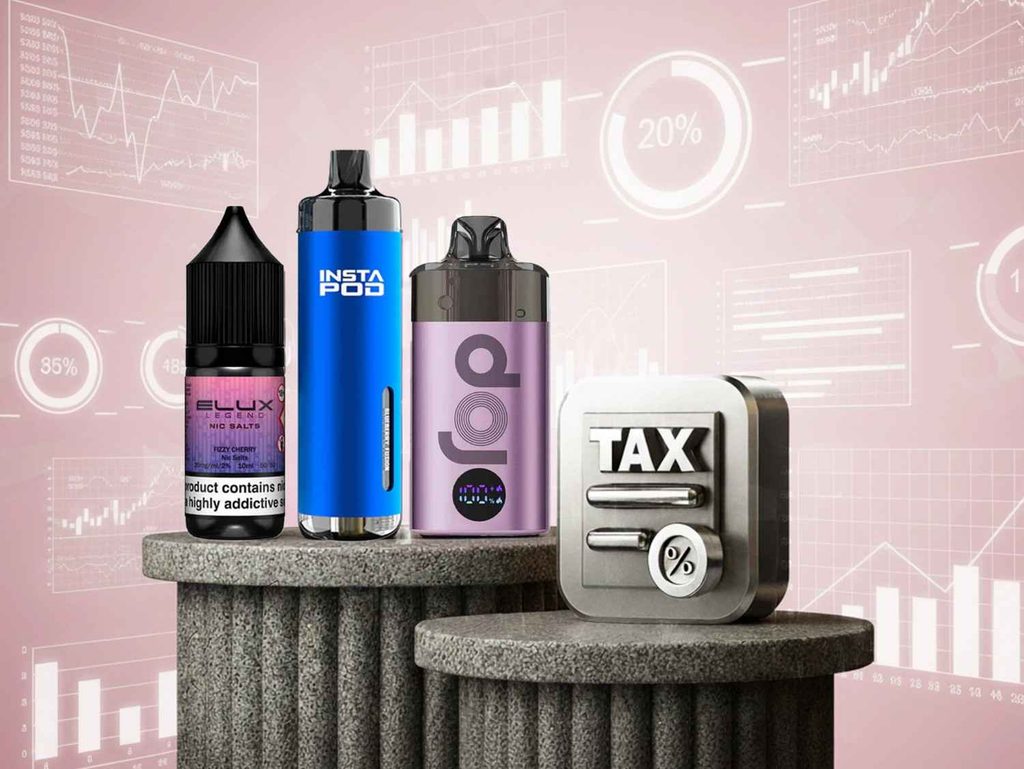
A few dates matter for anyone selling vapes online this year and next.
- 29 October 2026 – Trading Standards in England and Wales gain the power to issue on-the-spot fixed penalty notices of £200 for underage sales and proxy purchasing of vapes, replacing the previous £90 proxy-purchasing penalty.
- 1 October 2026 – the Vaping Products Duty comes into force, adding £2.20 per 10ml of vaping liquid regardless of nicotine content.
- 1 January 2027 – the generational tobacco sale ban begins, covering anyone born on or after 1 January 2009.
- 1 April 2027 – vaping duty stamps become mandatory on all vape packaging sold in the UK.
- 1 June 2027 – a comprehensive ban on the advertising and sponsorship of vapes and other nicotine products comes into force.
For online retailers, the advertising restrictions are the ones to watch first. Product listings, social media promotion, and email marketing may all need reviewing once the new advertising rules are confirmed in detail.
Conclusion: Legal Reusable Vapes Can Be Sold Online in the UK
Legal reusable vapes can be sold online in the UK, along with refillable devices, pods and nicotine e-liquids, as long as they’re MHRA-notified and age verification is properly enforced.
Disposable vapes are off the table entirely, and that isn’t likely to change. With the Tobacco and Vapes Act 2026 now in force and a new duty landing in October, online sellers have a growing list of rules to keep on top of.
FAQs
Yes, if you’re 18 or over and the retailer verifies age. Disposable vapes can’t legally be ordered from any UK retailer.
Yes, provided it’s a compliant, MHRA-notified device or e-liquid. Disposables are the exception, as retailers can’t sell them.
Not yet in England, though Scotland and Northern Ireland already require retailer registration. A UK-wide licensing scheme is planned under the Tobacco and Vapes Act 2026, with no confirmed start date.
Yes, if you sell compliant products, verify buyers’ ages, and follow TRPR rules on nicotine strength and labelling. Disposables can’t be sold at all.
Up to £2,500 for selling to someone under 18, plus a £200 on-the-spot fine option from 29 October 2026. Scotland also fines up to £500 for no age verification policy. Disposables start at £200, rising to unlimited fines and up to 2 years’ imprisonment.

